Introduction:
In this digital age, our smartphones have become an integral part of our lives. We constantly seek instant gratification from scrolling through social media, posting photos, and receiving likes. What many of us may not realize is that these actions are linked to the release of dopamine, a neurotransmitter associated with pleasure and reward in our brains. In this blog post, we will explore the psychological effects, both positive and negative, of the dopamine-driven behaviors related to our phones, likes, photos, and posts.
The Dopamine Rush:
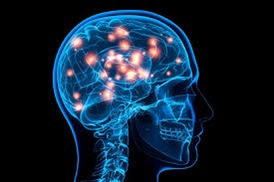
Whenever we receive a like on our photos or posts, our brains release dopamine, creating a pleasurable sensation. This “dopamine rush” creates a positive reinforcement loop, making us seek more likes and engagement to experience that same feeling of reward and validation. Over time, this can lead to addictive behaviors and an increased desire for social validation through digital interactions.
The Positive Side of Social Validation:
Seeking social validation is a fundamental aspect of being human. In the digital realm, receiving likes and positive feedback can boost our self-esteem, confidence, and sense of belonging. It can provide a platform for self-expression, sharing experiences, and connecting with like-minded individuals. Social media can also serve as a source of inspiration, motivation, and support, fostering a sense of community and personal growth.
The Downside of Constant Validation:
While seeking validation online can yield positive psychological effects, it’s essential to be aware of the potential pitfalls. Over-reliance on likes and comments for self-worth can lead to anxiety, depression, and low self-esteem when expectations of positive feedback are not met. The “compare and despair” phenomenon may occur when we constantly measure our lives against carefully curated online personas, leading to feelings of inadequacy and dissatisfaction. Moreover, the excessive use of social media can contribute to reduced productivity, disrupted sleep patterns, and social isolation.
Five Years Later: The Evolution of Posting Posed Photos:
When social media platforms first gained popularity, posting posed and perfect photos was not as commonplace as it is today. However, as the trend gradually took off, it became the norm for many individuals and families. The desire to present an idealized version of oneself and capture significant moments in an aesthetically pleasing way has become deeply ingrained in our online behavior.
Conclusion:
Our phones and the dopamine-driven behaviors associated with likes, photos, and posts have transformed the way we perceive ourselves and interact with others. While seeking social validation can be a positive experience that fosters connection and personal growth, it’s crucial to maintain a healthy balance. Being mindful of our reliance on digital validation, moderating our screen time, and nurturing real-life relationships can help mitigate the potential negative effects. By understanding the psychology behind these behaviors, we can make intentional choices when it comes to our digital interactions, ensuring that our online lives enhance our well-being rather than compromise it.
In the end, it’s important to remember that our worth extends far beyond the number of likes, photos, and posts. True fulfillment comes from cultivating meaningful connections, pursuing our passions, and finding joy in the offline moments that make life truly extraordinary.
Disclaimer: The information provided in this blog post is for general informational purposes only and does not constitute psychological or medical advice. Readers are encouraged to consult with qualified professionals for personalized guidance and support.
 yajnagold
Leave a comment